
Invisible No More
PART-TIME FACULTY, UNPAID LABOR, AND THE PUSH FOR EQUITY AFTER ROBERTS V. LBCCD
By Crystal Huckabee, Ed.D. (c)
Part-time faculty are the backbone of California’s community college system. We teach the same courses as full-time faculty, outnumber them, support the most vulnerable student populations, and carry out the daily work of instruction. Yet for decades, our compensation has been built on a fiction: that teaching happens only in the classroom.
The recent case Roberts v. LBCCD forces us to confront that fiction—and its consequences.
The Myth of “Contact Hours”
In most California community college districts, part-time faculty are paid according to teaching units or contact hours. On paper, this appears straightforward: faculty are compensated for time spent delivering instruction in the classroom. In practice, however, this model obscures the reality of academic labor.
Teaching is not limited to lecturing in the classroom. The work we as part-time faculty are not paid for: course design, syllabus construction, assignment creation, grading, student communication, student mentorship, learning management system maintenance, accessibility compliance, office hours, and curriculum updates.
These are not optional tasks. They are required, evaluated, and essential to student success. Yet under the traditional compensation model, much of this labor remains unpaid since it is conducted outside of the classroom. Make no mistake, full-time faculty are paid for this labor. It is only part-time faculty that must work for no pay.
The Roberts case makes this contradiction explicit.
What the Court Recognized
In its 2025 ruling, the Los Angeles County Superior Court acknowledged what part-time faculty have long known: part-time instructors are required to perform significant work outside the classroom in order to adequately conduct their courses, and institutions are aware of it.
Under California law, employees must be compensated for all hours worked—defined as time during which an employer “suffers or permits” work to occur. Since districts evaluate part-time faculty based on out-of-class responsibilities, the court found that this labor cannot be ignored or excluded from compensation.
This represents a critical shift in how academic labor is recognized and valued. It reframes part-time labor not as supplemental, but as comprehensive and measurable.
Why This Matters Beyond One District
Although this case centers on LBCCD part-time faculty, its implications extend across the California Community College system.
For decades, part-time faculty labor has been structured around systemic inequality: part-time faculty have the same qualifications as full-time faculty, but are not compensated equally for teaching the same classes.
The Roberts decision disrupts long-standing norms by applying existing labor law to academic work. It does not create new rights—it exposes that part-time faculty have always been entitled to protections that institutions have long denied.
The Role of Collective Action
This did not emerge in a vacuum. It reflects years of organizing, advocacy, and coalition-building among part-time faculty.
Recent gains associated with this movement include LBCCD’s acknowledgment of the full scope of work performed by part-time faculty, increased salary parity with full-time faculty (still only at 51%), union-led contract negotiations resulting in retroactive pay, and a landmark $18 million settlement providing back pay for more than 1,450 part-time faculty.
These outcomes demonstrate a key lesson: legal victories are strongest when paired with collective action. The courtroom can recognize injustice, but it is organizing that transforms recognition into sustained change.
Structural Inequity in Higher Education
At its core, this issue is about more than wages—it is about how institutions define the value of faculty. The current system depends on a two-tier faculty structure: full-time faculty are compensated for the full scope of their labor, while part-time faculty are paid for only a fraction of theirs. This inequity persists despite comparable qualifications and contributions to student learning. What emerges is a system sustained by invisible labor—essential, unrecognized work carried on the backs of part-time faculty.
What Comes Next
As of 2026, the case is moving through the settlement process, with a preliminary approval hearing scheduled for July. If approved, eligible faculty may finally receive compensation for past unpaid labor. But the larger impact of this case will not be measured solely in settlement checks. Its true significance lies in the shift it represents:
- From invisibility to recognition
- From status quo to accountability
- From isolated grievances to systemic critique
For too long, part-time faculty have been asked to do more with less—to carry out the full responsibilities of teaching while being compensated for only part of the work.
The Roberts case challenges this imbalance by insisting on a simple principle:
If the work is required, it must be paid.
For part-time faculty across California, this is not just a legal argument. It is a statement of dignity, professional recognition, and the value of the work we do every day.
About the Author
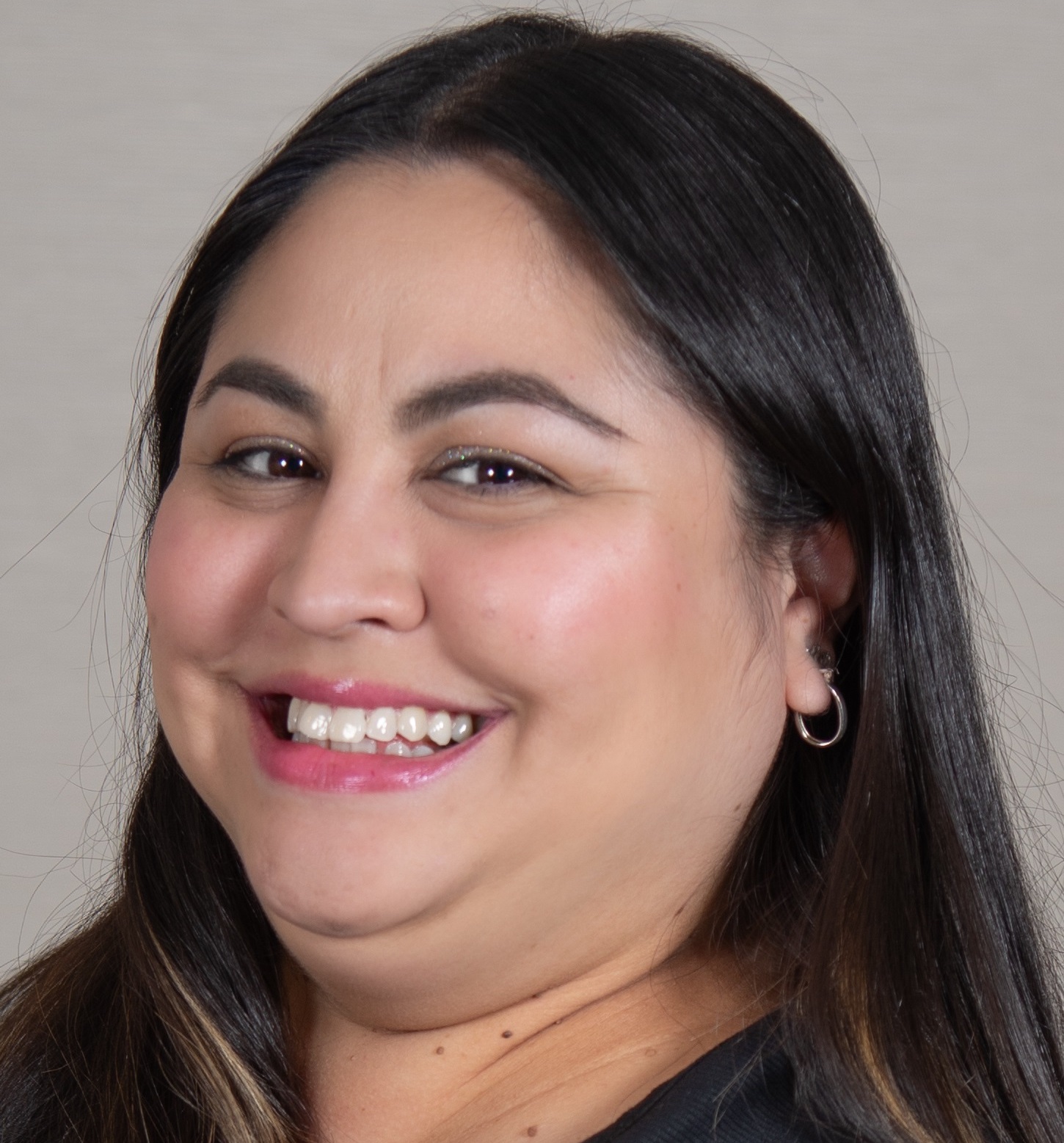
Crystal is an Indigenous Latina Anthropology instructor and union leader serving California’s community college system. She teaches at Long Beach City College and several other community colleges. Crystal serves as union President for the Certificated Hourly Instructors (CHI) at LBCC, CCA Board of Directors, and FACCC Board of Governors.
Thank you a bazillion times! Now that I am learning about this, I would love to contribute to the cause in some way.
I worked as part time faculty at Laney and Alameda colleges for 10 years. Loved the work, Loved the students…. Not only does the current system harm the faculty, but of course it harms the students too!
I had no healthcare no vacation and worst of all no pay for the hours spent creating and upgrading curriculum, checking student work, working individually w students that needed help keeping-up or catching-up, not to mention all the buerocratic work required outside the classroom. A stage 4 cancer diagnosis ended my career- and forced an early retirement….
broke but happy – I have time and energy to dedicate to volunteer work. Please let me know how I can help elevate this issue.
barbara
Thank you LBCCD! This is monumental!
We’re seeing districts and corrupt unions scrambling to change their contracts to avoid similar lawsuits, and hopefully this movement doesn’t settle for broken “parity” definitions, and we can get to a one-tier system like they have in Vancouver.
Personally, it’s been so disheartening to have these smug tenurists make me feel like a chump for doing the volunteer work necessary to support students.
Thank-you for your well written explanation of this very real problem. Where do we find a lawyer to do this kind of lawsuit?
Thank-you!
I’d like to join others in thanking you for this powerful and encouraging piece—you’ve articulated what many of us have known for decades but have struggled to gain traction around. You express it especially well: “our compensation has been built on a fiction—that teaching happens only in the classroom.”
Here’s hoping that Roberts v. LBCCD leads to meaningful reform of the systemic inequities faced not only in California, but in other states as well.
I also think the case raises important questions for the very institutions that should be at the forefront of opposing uncompensated labor—our faculty unions. Hopefully, this moment will prompt a change.
Sincerely yours,
Jack Longmate (jacklongmate@comcast.net)
Retired adjunct, 1992-2020
Olympic College, Bremerton, WA
Fantastic news and a wonderfully written article. Well done to all! So glad to see this news.